1. Safety first
The team confirms the vehicle is released, then suits up and secures the area around it.
Pahala, HI · Hawaii County
Blood, vomit, urine or waste in a vehicle in Pahala is a job for protective gear and proper disposal. Call (877) 812-4220 and cleaners will contain the cabin, clean it and haul the waste.
If anyone is in danger, call 911 first. For a suicide crisis, call or text 988.
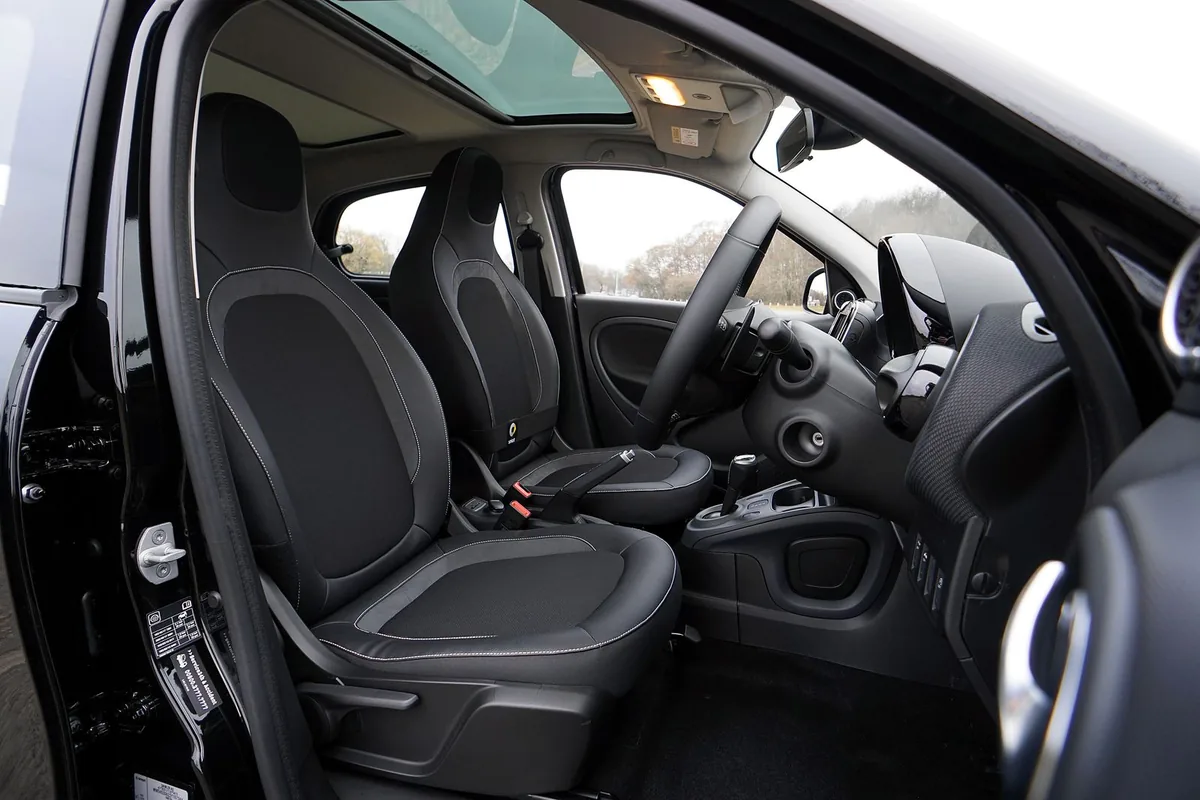
Vehicle biohazard cleanup, whether for one seat or a full cabin, follows the same pattern as work inside a building: protect, remove, disinfect, dispose and check.
When you need vehicle biohazard cleanup in Pahala or across Hawaii County, call Pahala Biohazard Cleanup Help. Vehicle owners, rideshare drivers, rental companies, fleet managers and businesses can all get a cleanup team.
Even with milder July highs near 84 degrees in Pahala, a parked car traps heat, so fluid odors can still build quickly. Anyone hurt in a vehicle incident should be seen at Kau Hospital in Pahala or by a doctor before anyone thinks about the cabin.
The work often covers:
The team confirms the vehicle is released, then suits up and secures the area around it.
Cleaners put on PPE, close the doors and windows as needed and protect nearby surfaces and people.
Soaked seat foam, carpet and padding are taken out and bagged. Hard surfaces are cleaned, then disinfected with EPA-registered products.
Bagged waste leaves with the crew. The interior is checked and the vehicle is returned for normal use.
Expect vehicle biohazard cleanup in Pahala, HI to cost roughly $500 to $5,000, with the final price set after an on-site assessment.
Where the vehicle sits can change the price. Work in a garage is simpler than work in an open lot or tow yard.
| Type of job | Typical range |
|---|---|
| Vehicle biohazard cleanup | $500 - $5,000 |
Estimates only, not a quote. Sources: BioCleaners Directory. Price drivers include type of interior materials, how serious the event was, time since the event, air system decontamination. Call (877) 812-4220 to talk through the job.
Ask who can release it before cleanup starts. Cleaners can usually begin once the vehicle is released to the owner or an authorized person. Ask the cleanup company about timing once the vehicle is released.
Yes. Blood can carry bloodborne pathogens such as hepatitis B and HIV. Dried blood can still be hazardous, and enclosed cabins hold odor. That is why the area is cleaned with protection and disinfected.
Remove the source first, since the smell comes from fluid trapped in seats, carpet and seams. Surface sprays only cover it. A biohazard car cleaning team removes soaked materials, disinfects and treats odor in the cabin and vents.
Many auto insurance policies cover some losses that are not collisions, and some policies exclude cleanup. Only your policy and your insurer can say. Call before cleanup starts, take photos and keep every receipt.
People use both phrases. Most of the time they mean decontaminating a vehicle that holds blood or other body fluids. Chemical spills are a separate hazard, and a cleanup team can say whether it can handle a specific one.
A salvage vehicle is one an insurer has declared a total loss. Some are also tagged for contamination when blood or fluids were involved. Labels and rules vary, so ask the insurer or the state title office what applies to a specific vehicle.
One call starts the cleanup, disinfection and disposal.
Call (877) 812-4220